The Unlocking of for the EU in the United Kingdom and Europe. Alcohol-Free Spirit Market Segmentation: Act Now to Be Successful!
In a time where consumer preferences are advancing rapidly, the alcohol-free spirit market is experiencing significant changes. It is the EU and UK, known for their rich traditions in alcoholic beverages but are seeing an explosion in demand for alcohol-free alternatives. To navigate this evolving landscape effectively, businesses need to grasp the complexities of segmentation of markets. The first instalment of our series, we’ll look at the underlying principles of market segmentation and explore its relevance in relation to alcohol-free spirits.
Why Market Segmentation is Important
Market segmentation involves the process of dividing a broader market into smaller, more manageable segments depending on distinct characteristics, patterns, and preferences. It serves as a strategic tool to allow businesses to tailor their products and marketing efforts to suit the specific requirements of every segment. Here’s a reason why segmentation of markets is important:
-
Directed Marketing by identifying different segments of consumers in the market businesses can devise targeted advertising campaigns that reflect the unique preferences and requirements of each segment. This leads to more efficient marketing strategies and better conversion rates.
-
Product Customization: The understanding of various market segments allows companies to design products that are tailored to the preferences and requirements of each market segment. This improves customer satisfaction, but it also encourages brand loyalty.
-
Utilization of Resources: Segmentation of markets helps make it easier to efficiently allocate resources. Instead of taking a generic approach, businesses can concentrate their efforts on the segments that have the highest potential for growth and profitability.
-
Competitive advantage Enterprises who effectively divide their market gain a competitive edge. They can find gaps within the market, design unique value propositions and differentiate themselves from rivals.
-
Customer Retention: Tailored marketing and products help improve customer satisfaction which, in turn can increase retention rates. Customers who are loyal to your brand are more likely to become advocates for your company.
Market for Alcohol-Free Spirits in EU and UK
Alcohol-Free Spirits: Different Types
Before you can dive into market segmentation, it’s essential to know the alcohol-free spirit market in the EU and UK. This market has seen astonishing growth, with an increasing number of alcohol-free spirits readily available. The most prominent categories are:
-
Alcohol-Free Gins: The gin is designed to bring out the natural essence of traditional Gin, alcohol free gins give the same taste and aroma, in a way that isn’t alcoholic. They are appreciated for their versatility in cocktails and as stand-alone drinks.
-
Alcohol-Free Whiskeys: Alcohol-free whiskeys aim to replicate the rich and spicy flavors of the traditional whiskey. They are perfect for those who appreciate the taste of whisky but want to stay away from alcohol.
-
Alcohol-Free Vodkas: Alcohol-free alcoholic vodkas impart the clean and crisp taste of traditional vodka without alcohol. They can be used in a variety mocktails and mixed drinks.
-
Alcohol-Free Rums: Non-alcoholic Rums capture the richness and sweetness of traditional rums. This makes them an essential ingredient in cocktails that are alcohol free.
-
Tequilas that are alcohol-free: These alternatives preserve the earthy and agave notes that are typical of tequilas, offering a delightful base for alcohol-free margaritas and other cocktails.
The wide range of alcohol-free spirits illustrates the industry’s commitment to accommodating a variety of consumer tastes and preferences. As the demand for these drinks continues to increase and market segmentation is becoming increasingly crucial for businesses seeking success in this ever-changing landscape.
In the next chapter, we’ll examine how the consumer’s preference plays a significant role in alcohol-free spirit market segmentation, shedding light on the factors that influence people to prefer alcohol-free alternatives. Let’s begin this exciting exploration of this EU and UK alcohol-free spirit market.

Exclusive Wholesale Opportunity: Order Direct from Swedish Distillers for Premium Non-Alcoholic Spirits!
Understanding Consumer Preferences across the EU and the UK Alcohol-Free Spirit Market
In our last segment, we explored the foundations of segmentation of markets in the flourishing EU and UK Spirits that do not contain alcohol. The next part of our series delve deeper into the heart of the matter that is consumer preferences. Understanding the factors that drive consumers to drink alcohol-free spirits is vital in order for businesses to make their own niche in this expanding market. Let’s take a journey of discovering.
A Changing Consumer Landscape Evolving Consumer Landscape
Consumer preferences are at center of any market, and the market for alcohol-free spirits is no different. The following points provide insight into the changing consumer landscape:
Healthy and Wellbeing Trends
One of the primary factors driving the alcohol-free spirit market is the rising trend toward health and wellness. People are becoming more conscious of their health and are seeking out products that go along with their need for the right balance in their lives. Alcohol-free spirits can be a good option for those wanting to enjoy the tastes and social aspect that drinking can bring without the health risks associated with alcohol.
Millennial Influence
Millennials, born between 1982 and 1996, play an influential force in shaping consumer trends. This generation is more interested in experiences than possessions, and is more likely to look for healthier and innovative alternatives such as alcohol-free spirit. It is also a major audience for businesses to focus on.
Social Responsibility
People, especially young ones are increasingly responsible in their buying decisions. They support brands that are ethical, sustainable, and socially conscious. Spirit producers that are alcohol-free and emphasize sustainable practices and sustainable production tend to resonate with the consumers.
Flavor Variety
The market for alcohol-free spirits has adapted to consumer demands in a variety flavors. If it’s a plant-infused alcohol-free Gin, a smooth alcohol-free whiskey, or a tropical rum that is alcohol-free The variety of flavors available caters to different taste preferences. This variety is appealing to consumers who seek novelty and excitement in their drinks.
Alcohol Reduction and Abstinence
For individuals reducing their consumption of alcohol or eliminating alcohol altogether liquor-free spirits offer an appealing alternative. These spirits allow customers to join in social gatherings, and take pleasure in the process of making cocktails without the detrimental effects of alcohol.
Critical Considerations for Market Segmentation
Understanding these consumer preferences is vital to market segmentation. So as to be able to properly segment market segments in the EU and UK spirits market that are alcohol-free, businesses should consider the following:
Demographics
Demographic factors like age, gender, income level, and location play a important role in the preferences of consumers. For instance, younger consumers, may be more inclined towards new tastes, whereas older consumers may prioritize health benefits.
Lifestyle
Consumers’ lifestyles greatly influence their choices. People who lead active lives may seek low-calorie or energy-boosting alcohol-free options, whereas others might prefer alcohol-free spirits for relaxing evenings at home.
Occasions
There are many occasions that require different drinks. Businesses should consider how consumers use alcohol-free spirits – whether for social gatherings, celebrations or for personal enjoyment – and then tailor their strategies for marketing for the event.
Taste Preferences
Flavor profiles matter. Some consumers like those notes of botanical gin, and others prefer the richness and smoky flavor of whiskey. Segmenting markets according to taste preferences allows businesses to concentrate on certain niches.
Values and Ethical Requirements
People are increasingly choosing brands that adhere to their beliefs. Companies that are committed to ethical sourcing, sustainability, and responsible production can be a good fit with consumers who are conscious of their social responsibilities.
When taking these aspects into consideration, companies can come up with targeted marketing strategies, produce products that satisfy specific consumer needs, and establish a strong place in the EU and UK the alcohol-free spirit market.
In the next segment we’ll dive into the environment of competition in the field as we explore the major players and strategies that are shaping its future. We will be sharing tips on how to make your mark in this competitive market.
Achieving a Win-Win Strategy to the EU as well as the UK Drink-free Spirits market
Welcome to the final installment of our exploration of our journey through the EU and UK spirits market that are alcohol-free. In the previous sections we examined the market segmentation process and consumer preferences by revealing the complex terrain that businesses have to navigate. It’s now time to think about how you can craft a winning strategy in this rapidly growing industry.
Understanding the Competitive Landscape
Before diving into strategy development it’s vital to understand the landscape of competition. The market for alcohol-free spirits is vibrant and competitive, with a myriad of players trying to get attention of consumers. Here are a few key facts about the current status of the market:
Market Growth
The alcohol-free spirit market is seeing a tremendous growth with new brands stepping into the market every day. As demand for alcohol continues to increase, competition has been increasing and making it more important for companies to differentiate themselves.
Established Players
Many established brands dominate the market, establishing strong brand recognition and customer loyalty. They set the standard for flavor and quality so it is difficult for newcomers, especially those who are just starting out, to break the.
Niche Players
Niche players have achieved success in catering to specific consumer segments or by offering distinctive flavour profiles. They typically succeed by responding to the unmet needs of the market.
Crafting Your Unique Selling Proposition (USP)
To be noticed in this marketplace, businesses must develop a convincing Unique Selling Proposition (USP). Your USP is what separates you from your competitors and ensures that consumers will choose alcohol-free drinks over the others. Here are some ideas to think about:
Flavor Innovation
In a market driven by varied tastes Innovative flavor profiles can be game-changing. Test out new botanicals, techniques for infusion, and even natural extracts to create distinctive offerings.
Health and Wellness Focus
In light of the health-consciousness trend that is sweeping consumers, highlighting the health benefits of spirits without alcohol can be an appealing USP. Focus on low-calorie, sugar-free and natural ingredient attributes.
Sustainability and Ethics
The majority of consumers prefer brands that prioritize sustainability, ethical sourcing, and responsible production. Your brand should demonstrate your commitment and dedication to these ideals in your packaging and marketing.
Marketing and branding
Effective marketing and branding are crucial. Develop a brand identity that resonates with the target market and tells an interesting story. Get yourself a standout packaging design that conveys the essence of your brand.
Collaborations and Partnerships
Get involved with influencers. Bars, restaurants, and event planners to reach a wider audience. Strategic partnerships could introduce your products or services to a larger audience.
targeted marketing and consumer education
Once you’ve established your USP Once you’ve established your USP, it’s time for you to put your focus on marketing and education. Here’s the best way to go about it:
Digital Marketing
Make use of the power of digital marketing to reach your desired market. Make sure you invest in search engine optimization (SEO) so that your website appears in the top search results. Social media is a great way to communicate with your audience and promote products.
Content Creation
Create useful content that informs consumers on the advantages and the versatility of alcohol-free spirits. Blog posts, videos, or infographics can aid consumers know how to integrate your products into their lives.
Tasting Events
Hold tastings at the bar, restaurant, or festivals that are alcohol-free. Offering customers the opportunity to try your drink firsthand is a powerful sales technique.
Customer Support
Excellent customer support is provided to respond to inquiries and build trust. Customer service that is prompt and well-informed will turn potential customers into loyal customers.
In our next section we’ll go over distribution channels and how to effectively get your products in the customers. Watch this space for further information on growing your market share and making your alcohol-free spirits accessible to a broader audience.
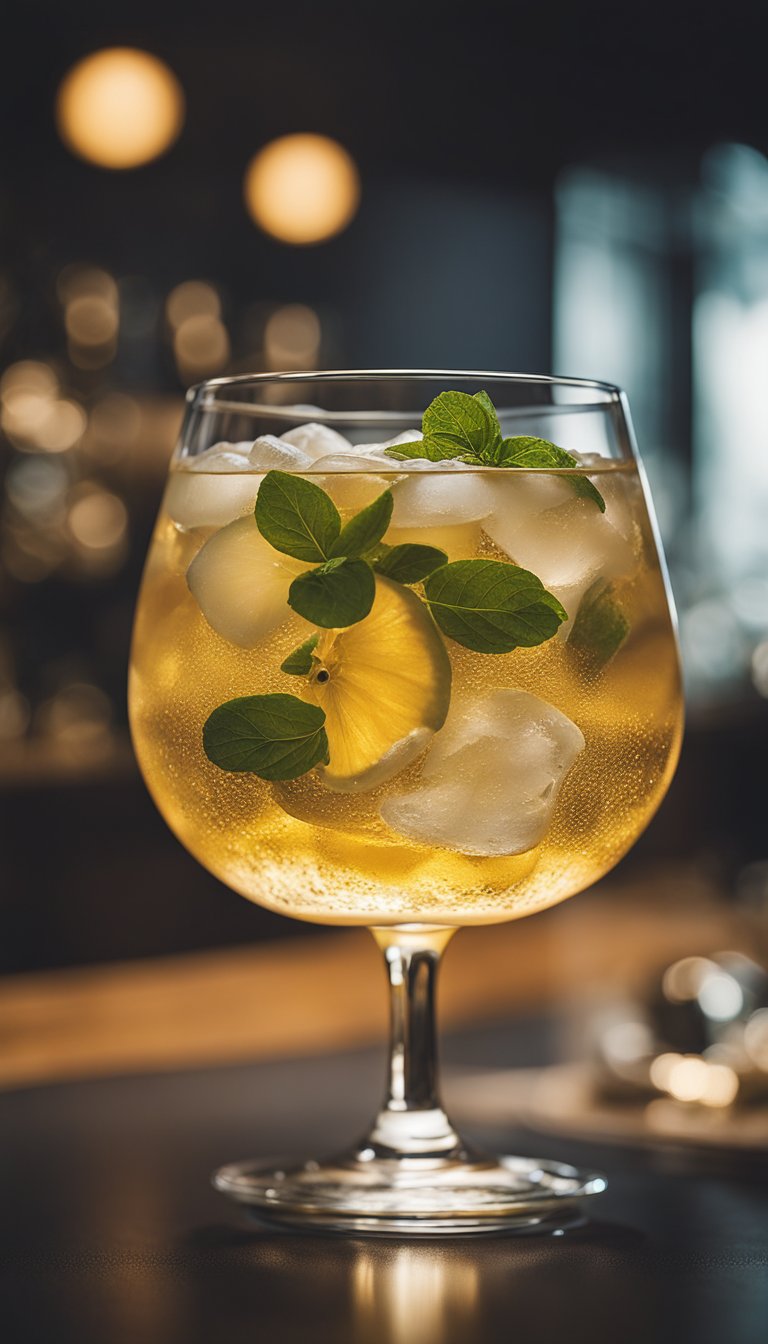
Utilizing Distribution Channels to Get Your Alcohol-Free Spirits to Consumers
As we’ve explored this EU and UK alcohol-free spirit market we’ve explored market segmentation consumer preferences, as well as crafting an effective Unique Selling Proposition (USP). The next step is to turn on to another important aspect of success: distribution channels. How can you successfully get your alcohol-free spirit into the hands of consumers who are eager to purchase? Let’s get started.
Understanding Distribution Dynamics
Before developing your distribution strategy It is essential to know what’s happening in the alcohol-free spirit market. Here are the key facts about this current state of affairs:
Traditional Retail
Traditional retail channels such as supermarkets and liquor stores have historically been the main distribution channel for alcoholic beverages. However, the market is changing as consumers look for healthier alternatives.
Online Retail
The internet has changed the way we purchase and distribute of alcohol-free spirits. The internet lets consumers look through a variety of options, making it a viable way for emerging brands.
Specialty Stores
Specialty stores that cater to consumers who are healthy or seeking unique products have become beneficial distribution partners. You might consider partnering with these stores for reaching special markets.
Restaurants and Bars
Restaurants and bars play an essential role in introducing consumers to new spirits that are alcohol free. Work with establishments to incorporate your products on their menus.
Crafting Your Distribution Strategy
Once you’ve got a grasp of distribution dynamics We can now devise a successful distribution strategy:
Multi-Channel Approach
Look into a multi-channel distribution method in order to reach out to a wider population. Mix traditional retail, ecommerce and specialty stores to boost the reach of your business.
Online Presence
Invest in a strong online presence. Create a user-friendly online store that allows customers to browse, purchase, and learn more about products. Optimize your site according to search results (SEO) to boost online visibility.
E-Commerce Partnerships
Find partnerships with e-commerce platforms, such as Amazon or the specialized alcohol-free spirit marketplaces. These platforms already have an audience keen to try new products.
Wholesale Partnerships
Partner with distributors or wholesalers that specialize in alcohol-free beverage. Their networks are well-established and can aid your product in reaching an array of retailers.
Direct-to-Consumer (DTC)
Explore a Direct To Consumer (DTC) design, where you market your spirits without alcohol directly to customers through your website. DTC gives you higher profit margins as well as better customer relationships.
Regulatory Compliance
To be successful in the alcohol-free spirit marketplace must also be in compliance with all regulation requirements. It is important to ensure that your spirits meet all legal standards and that you obtain all necessary permits and licenses to distribute.
Consumer Education
Ensuring that consumers are aware of your products is critical to ensuring that your products are distributed successfully. Try these ideas:
Informative Website
Create a website that offers extensive product information cocktails, recipes for cocktails, and frequent concerns (FAQs). The information you provide can help the consumer in making an informed decision.
Tasting Events
Organise tasting events at different distribution points, giving consumers the chance to sample your alcohol-free spirits. The events allow for hands-on interaction and build brand loyalty.
Social Media
Use social media to engage with consumers and share materials that educate them on the benefits and use of your products.
This is the introduction to the following section in the Maintaining Market Relevance
As we wrap up this segment on distribution channels, it’s vital to note that getting your alcohol-free spirits in the market is only the beginning. In the next part, we will explore strategies for keeping market relevance and ensuring that you are always meeting changing demand from consumers. Keep your eyes peeled for information on product innovations and how to stay one step ahead of the competition.
Sustaining the Success: Navigating EU and UK Alcohol-Free Spirit Market – Part 5
We’re pleased to present the concluding installment of our extensive series on market conditions in the EU and UK alcohol-free spirit market. This article concludes the series. we’ll go over the important aspects of maintaining market credibility and summarize the main takeaways from our travels. We’re going to embark on this final stage of our journey.
Staying Ahead with Innovation
As the alcohol-free spirit market grows and change, staying ahead technology is crucial. Here’s how to innovate to stay relevant on the market:
New Product Development
Invest in research and development to create new alcohol-free spirits that are able to adapt to changing consumer preferences. Create unique flavors, ingredients, and packaging to draw attention from consumers.
Health and Wellness Focus
Highlight the health and wellness aspects of your products. Highlight nutritional benefits, natural ingredients, and ways your spirits without alcohol can be an integral part in a healthy and balanced lifestyle.
Sustainable Practices
Implement sustainable practices in production and packaging. Eco-friendly choices are a hit with environmentally conscious consumers. They can also set your company apart.
Marketing and branding
Marketing and branding that is effective are pillars to sustained performance. Use these strategies to your advantage:
Storytelling
Be sure to tell your story via engaging content. It should be clear what the brand’s journey is, its values and the reason for your alcohol-free spirits in order to communicate with consumers on more intimate level.
Collaborations with Influencers
Get involved with influencers from healthcare and wellness or mixology niches. Their endorsement could increase your reach as well as increase the credibility of target audiences.
User-Generated Content
Let your customers comment on their experiences using your brand on social media. Content that is created by customers can help create an environment of shared experience and authenticity in your brand.
Adapting to Consumer Trends
Consumer trends are ever-changing. To remain relevant, be aware and be aware of these trends:
Wellness and Health Trends
As the health conscious population increases, you should align your products with trends that promote wellness. Make sure you offer sugar-free, low-calorie or functional alcohol-free spirits that be able to meet the demands of the consumer.
Cultural Celebrations
Get involved in cultural celebrations and holidays. Cocktails and special drinks can be created made for these occasions in order to increase seasonal demand.
Recap of Our Journey
In this article, we’ve examined the complex landscape of the EU and UK market for alcohol-free spirits. Let’s recap the key takeaways from each article:
Article 1: Market Segmentation
Understanding your target audience and segmenting your market is critical to achieving success. Determine the areas of interest within the alcohol-free spirit market in order to design your products effectively.
Article 2. Crafting a Stunning USP
Crafting a Unique Selling Proposition (USP) helps differentiate your brand. Make clear what sets your alcohol-free spirits apart, whether it’s quality, taste, or sustainability.
Article 3: Distribution Channels
Effective distribution is important. Make use of a multi-channel strategy, make investments in e-commerce, and consider forming partnerships to reach an even greater audience.
Article 4: Regulatory Compliance and Consumer Education
The compliance with regulations is not a matter of course. Educate consumers about your products by providing informative websites, tasting events and engagement on social media.
Article 5: Maintaining Success
Innovation as well as branding and adaption is the most important factor to ensure success. Be attentive to consumer fashions, focus on wellness and celebrate the cultural moment.
Conclusion
Within the fast-moving EU as well as the UK alcohol-free spirit markets, continued success requires constant innovation. From the segmentation of markets to distribution avenues, regulatory compliance, and even innovation We’ve covered the fundamental elements of success in this business.
Remember that success isn’t constant; it’s a continuous process of continuous improvement and a constant process of adaptation. If you are able to stay agile, focused on the consumer, and innovative it is possible to navigate the market for alcohol-free spirits successfully.
Thank you for coming along for this ride. We hope these ideas will empower you to make better decisions and thrive in this dynamic market. All the best for your continued success with alcohol-free spirit!
